Planning flatbed hire in Croydon
Hiring a flatbed or dropside is usually the easy part. The harder questions come at the other end of the journey. Where will the vehicle stand while it is unloaded? Is that kerb restricted? Will the load come off the side or the rear? And can the vehicle you are given legally carry what you plan to put on it? This page is for householders moving a one-off load, trades collecting timber or pallets, and businesses running planned deliveries.
The questions below follow the order that tends to save the most trouble: permission at the receiving address first, then route signs, vehicle choice, weight and licence, restraint, unloading and finally the hire terms. Each open-bed body has real advantages, but each one also comes with conditions you should confirm before you commit. If you are unsure of any answer, settle it before collection rather than at the kerb.
Start with where you will stop in Croydon
Before you choose a vehicle, look at the kerb outside the delivery address. Croydon Council offers two kinds of permission. A dispensation is for parking on yellow lines. A suspension temporarily lifts the limits on using a parking bay. Match the application to where the vehicle will actually stand.
The council asks for at least ten working days before the required date. That is minimum notice, not a promise of approval. For a fixed-date delivery, apply before confirming the hire and keep collection flexible until you have a written decision that covers your vehicle and times.
Red routes on the A23 and A232
Council guidance names the A23 and the A232 as red routes through the borough. If your receiving address is on either road, or reaching it means stopping on one, do not assume a quick unload is allowed. A dropside with its sides lowered also takes more width than a parked van.
The council tells drivers to follow the restrictions on nearby signs. Check them before booking and again on the day, because conditions can change from one stretch to the next. Photograph the sign nearest your intended stop, and if it does not allow what you need, arrange somewhere else to stand.
Sources: Croydon Council: red routes
Matching the dropside to the load
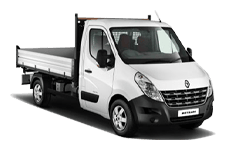
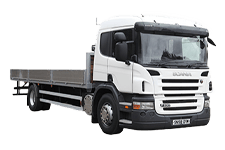
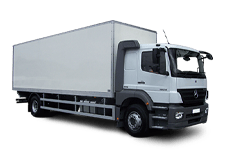
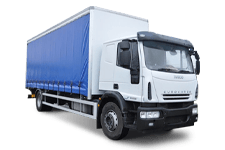
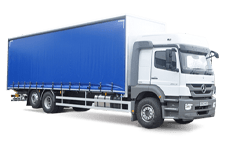
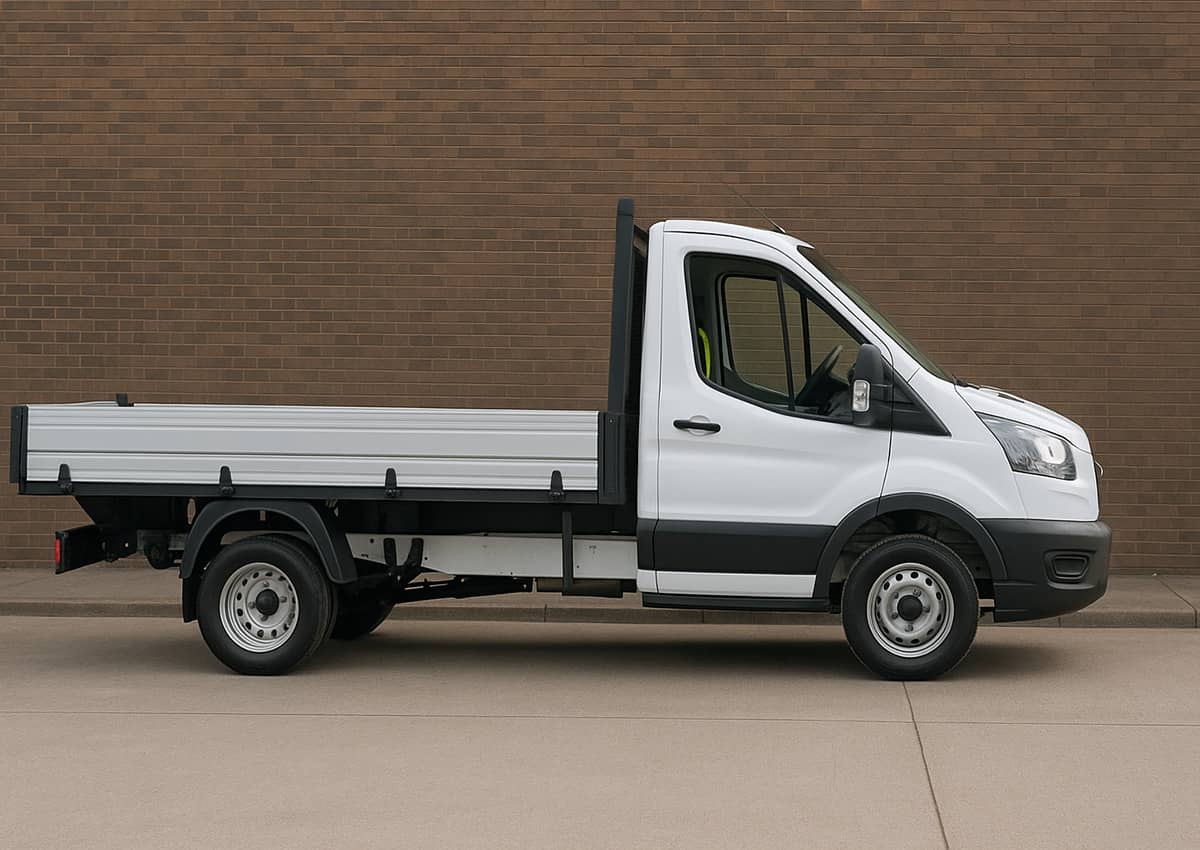
Bed length is the first thing to decide. A 3 metre dropside suits boards, fencing panels, bagged materials and smaller machinery, and is easier to place on a residential street. A 4 metre body fits longer timber and pipe, but the vehicle itself is longer to park. A 7.5 tonne dropside lorry has a much longer bed for scaffolding, multiple pallets or heavier plant. It needs a suitable route, a driver with the right licence and room to stand and unload.
A dropside with a tail lift is worth asking about if your goods are wheeled or on pallets and there is no forklift at the destination. The lift's rating is separate from the vehicle's payload, and the lift only helps if the platform lands on firm, level ground. Published bed sizes are typical examples, so ask for the dimensions of the vehicle you will actually get.
Sources: Nationwide Hire UK: 3 metre dropside, Nationwide Hire UK: 4 metre dropside, Nationwide Hire UK: dropside with tail lift, Nationwide Hire UK: 7.5 tonne dropside
Gross weight, payload and the licence you hold
Maximum authorised mass, also called gross vehicle weight, is the most the vehicle may weigh when loaded. It is normally shown on the plate or sticker. It is not how much cargo you can carry. Payload is what is left once you count the vehicle itself, the driver, any passengers and packaging such as pallets. Ask for the plated figure and the realistic payload of your allocated vehicle, then weigh or carefully estimate your load.
Which licence you need depends on the plated maximum authorised mass. A category B licence generally covers vehicles up to 3.5 tonnes. Vehicles over 3.5 tonnes and up to 7.5 tonnes need C1. Check each driver's current licence and ask whether the supplier has its own age or experience rules. On multi-drop runs, weight on each axle changes as goods come off, so rearrange the rest of the load and use a weighbridge if you are unsure.
Sources: GOV.UK: vehicle weights explained, GOV.UK: driving licence categories, DVSA: HGV overloading basics
Restraint and long loads
An open bed is easy to reach from three sides, but that also means only your restraints hold the load in place. The securing method has to suit the particular load and vehicle, and weight or friction alone is not enough. Before loading, check the platform, body, anchor points and headboard. Ask whether straps come with the hire and what they are rated for. Sheeting and rope hooks are not anchor points for restraining a load.
Long timber, pipe and scaffold tube often get left hanging off the back. Loads that stick out past the rear or sides have their own marking rules, and some lengths mean you must give notice in advance. Measure the overhang with the tailboard set as it will be for the journey, then check the current official guidance. If the overhang would be large, a longer bed is often simpler.
Sources: DVSA: load securing basics, DVSA: ways to secure a load, DVSA and DfT: overhanging loads on vehicles
Side loading and unloading safely
Lowering a side lets a forklift, a telehandler or two people reach the load directly, which is the main reason trades choose a dropside. But loading and unloading need as much planning as the drive. Park on ground that is as level and stable as possible, keep pedestrians clear, and agree in advance with the person receiving the goods who will do what and with which equipment.
Before you release any strap, check whether the load has moved in transit and could fall when a side is lowered. Unload in an order that keeps the remaining weight spread out and stable, and re-secure any part load before driving on. When unloading on the pavement side, plan where people will walk while the side is down. If a receiving crew is helping, brief them on which side comes down first and keep hands away from hinges.
Sources: HSE: safe loading and unloading, DVSA: securing loads on HGVs and goods vehicles
A fallback plan and the hire terms
Have a backup before the day, such as a driveway, a yard behind the building, a side road where the signs allow loading, or a later slot. Tell the person receiving the goods which option you will use and how long you expect to be there. If nothing works, move the delivery date rather than stopping somewhere unsuitable with a loaded open bed. Allow time for the return leg too, and stow loose straps rather than leaving them on the bed.
Before paying, read the supplier's written terms in full. Typical points worth checking with any hire company include damage cover and excess, fuel, permitted uses and late returns. Only the terms of the company you actually hire from apply, so get them in writing and make sure the booking documents show the vehicle, dimensions, payload and any equipment.
Sources: Third-party reference: Nationwide Hire UK terms and conditions